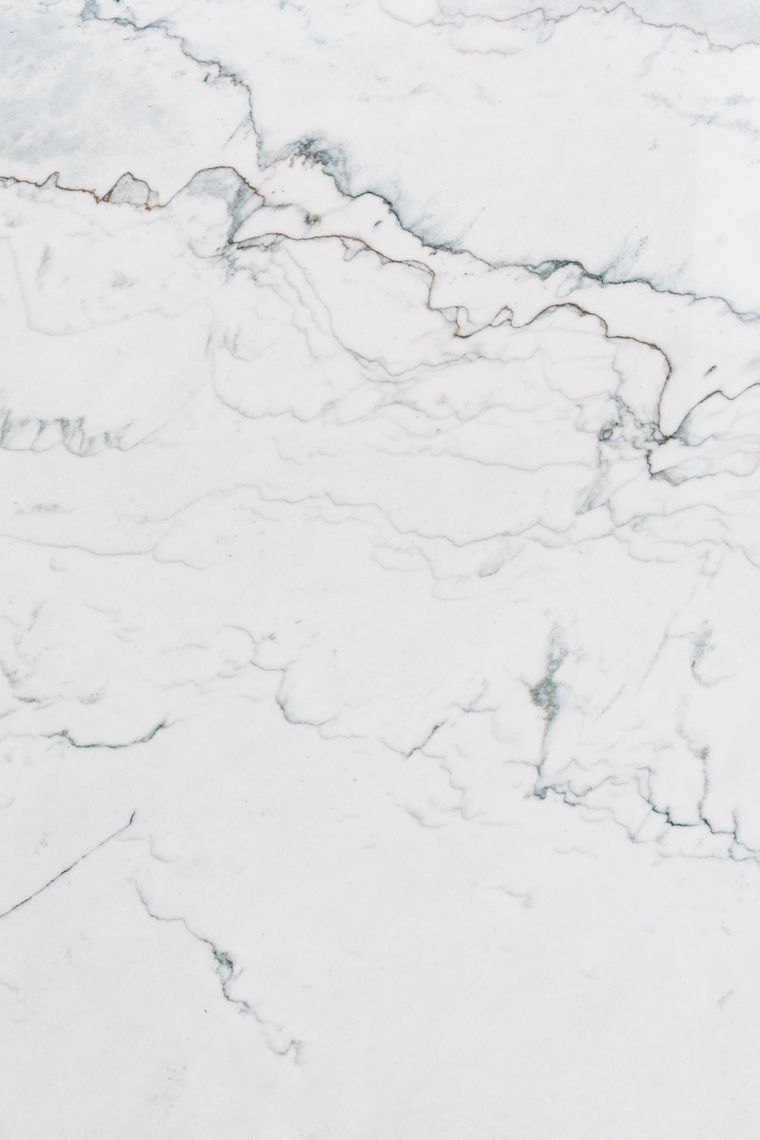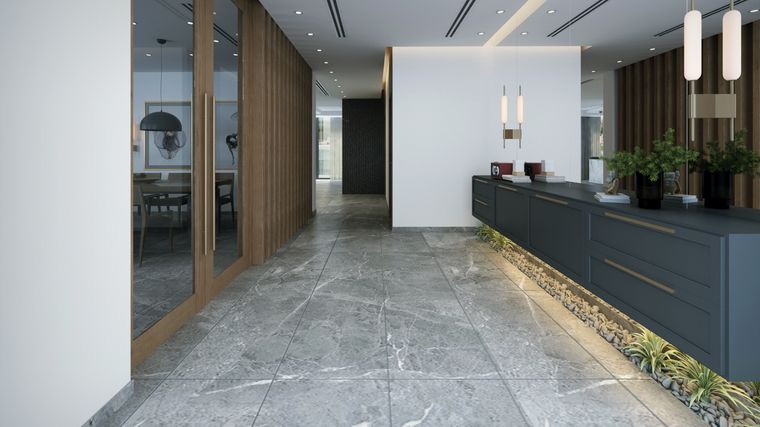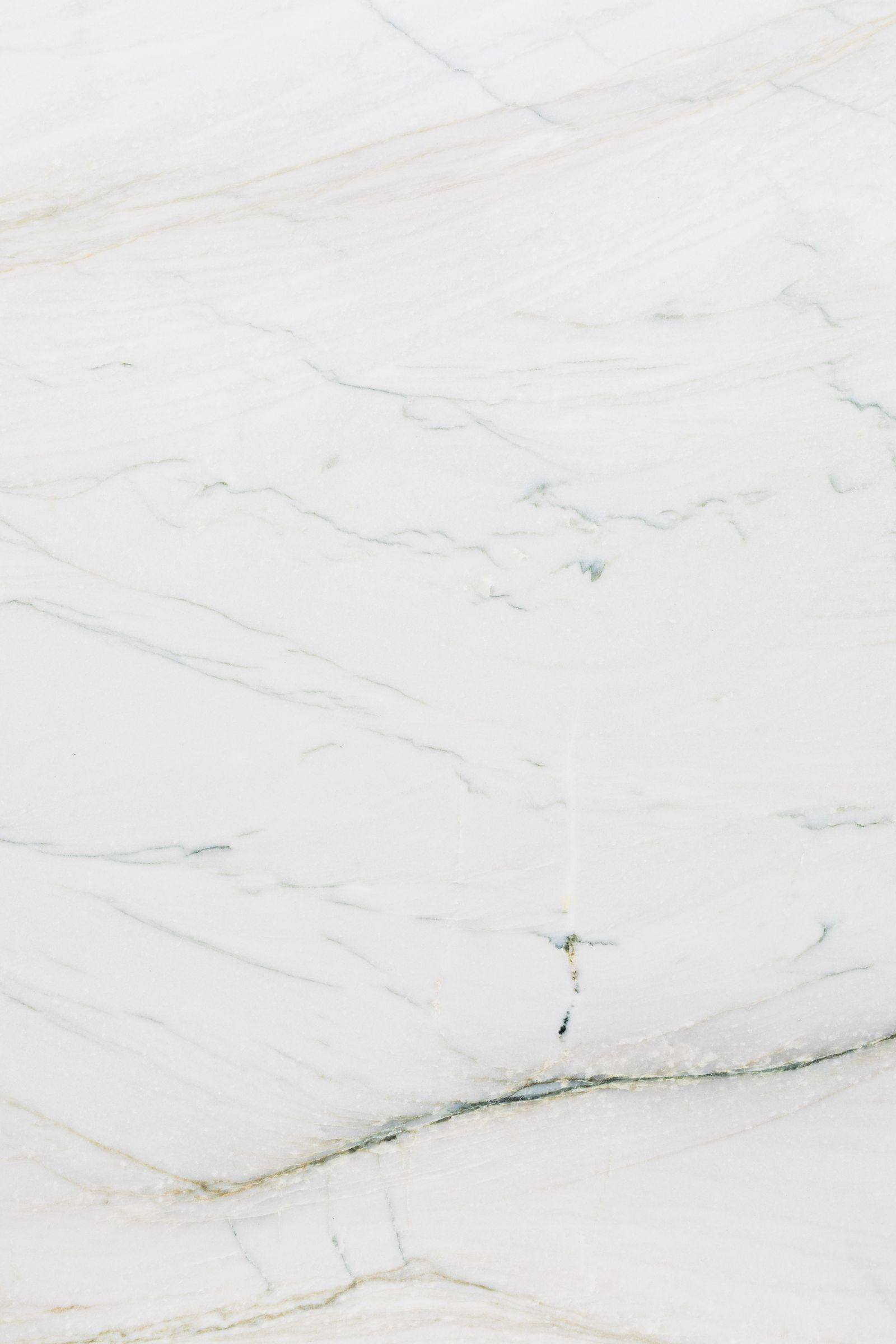
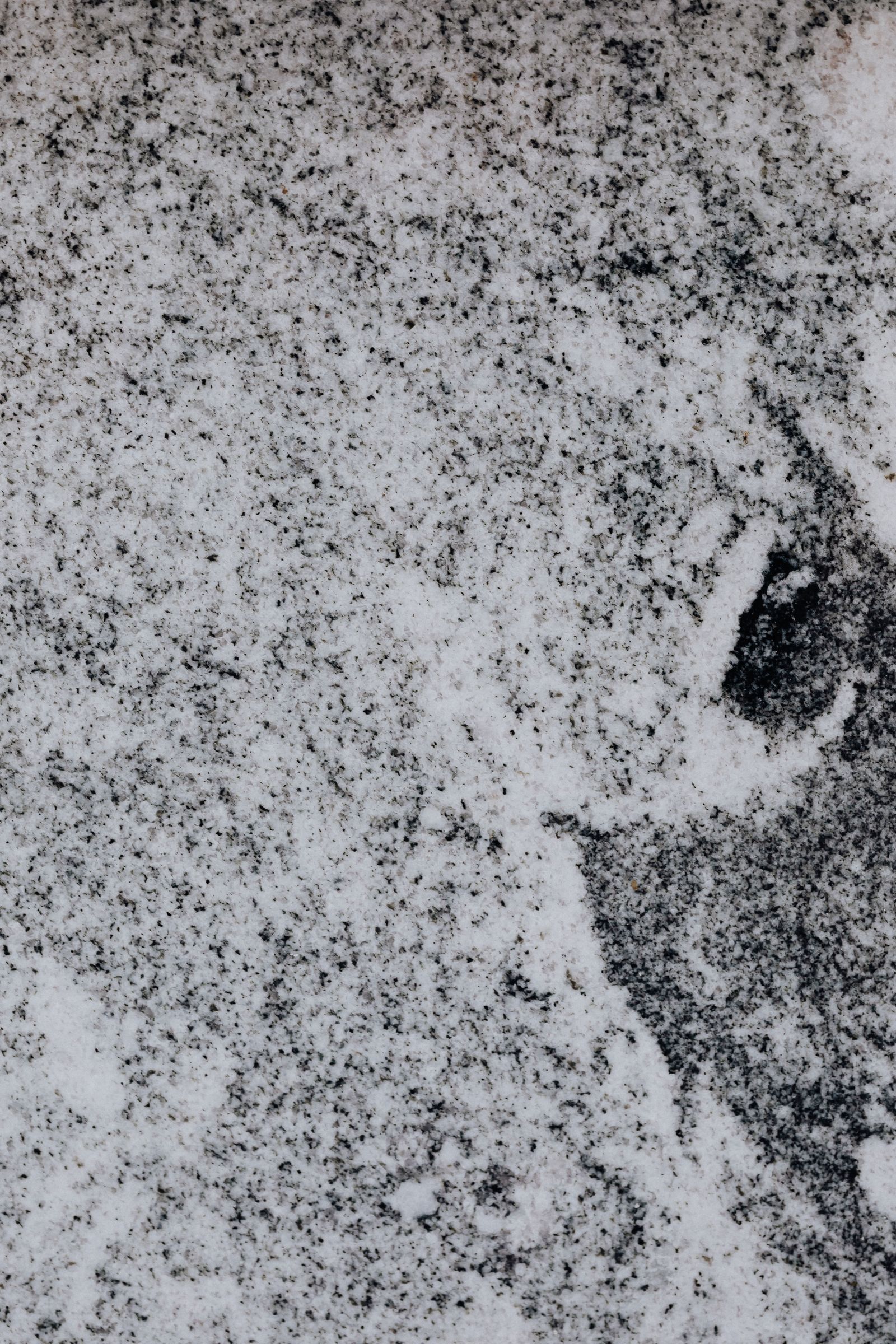
Marble-look porcelain has improved so much that, from three metres away, many visitors cannot tell the difference. So is natural marble still worth the extra cost? The answer to porcelain vs marble flooring in the UAE depends less on which material is “better” and more on which room, which budget and how you live.
Porcelain vs marble at a glance
| Factor | Porcelain tiles & slabs | Natural marble |
|---|---|---|
| Indicative supply cost | AED 60 – 700/m² | AED 120 – 3,000+/m² |
| Water absorption | Below 0.5% — effectively non-porous | Porous, needs sealing |
| Acid etching | Not affected | Etches from lemon, vinegar, acidic cleaners |
| Scratch resistance | High | Moderate |
| Repair | Damaged tiles must be replaced | Can be re-ground and re-polished many times |
| Pattern | Printed, repeats every few tiles | Unique, every slab different |
| Lifespan | 20–30 years | Generations, with restoration |
Cost per square metre in the UAE
Standard 60×60 cm and 60×120 cm porcelain tiles typically cost AED 60–200 per m² in Dubai and Sharjah, while large-format porcelain slabs (up to 160×320 cm) sit around AED 250–700. Genuine marble starts at about AED 120 for beige tiles and rises past AED 3,000 for Statuario — see our full marble price guide.
Fixing costs are similar for both. The difference is after installation: marble floors need a final grind and polish plus sealing, while porcelain is finished out of the box. Large-format porcelain slabs, however, need a perfectly flat substrate and experienced fixers, which narrows the gap.
Durability, stains and scratches
On paper porcelain wins. It is harder, almost non-porous and unaffected by acids, which makes it forgiving in kitchens, laundries and family homes with small children. Marble can etch from a spilled glass of juice and will slowly dull under sand.
But the long-term picture is closer than it looks. A chipped porcelain tile has to be cut out and replaced, and finding a matching batch years later is often impossible. Marble wears, but it can be ground and re-polished back to new as many times as you like. A 30-year-old marble floor can look better than the day it was laid; a 30-year-old porcelain floor rarely does.
Check the porcelain body
Glazed porcelain has the marble pattern printed on the surface only. Full-body or “through-colour” porcelain carries colour through the tile, so chips are much less visible. For main living areas, the extra cost is worth it.
Heat, sun and slip resistance
Both materials stay cool underfoot indoors, which is a large part of why stone floors dominate UAE homes. Outdoors, porcelain rated for exterior use and natural stones such as travertine or flamed granite outperform polished marble, which becomes slippery when wet and can fade or etch in direct sun and pool chemicals. For pool decks, see our travertine pool surround guide.
Indoors, slip resistance depends on the finish, not the material. A polished porcelain and a polished marble are both slippery when wet; a honed marble or a matte porcelain is safer in bathrooms and kitchens.
Look, feel and resale value
This is where marble earns its price. Natural marble has depth: light enters the crystals and reflects back from below the surface, and the veining flows across a room without repeating. Even the best porcelain is a high-resolution photograph, and on a large floor the pattern repeats become visible. Book-matched slabs, which mirror veining across a joint, are impossible to replicate convincingly.
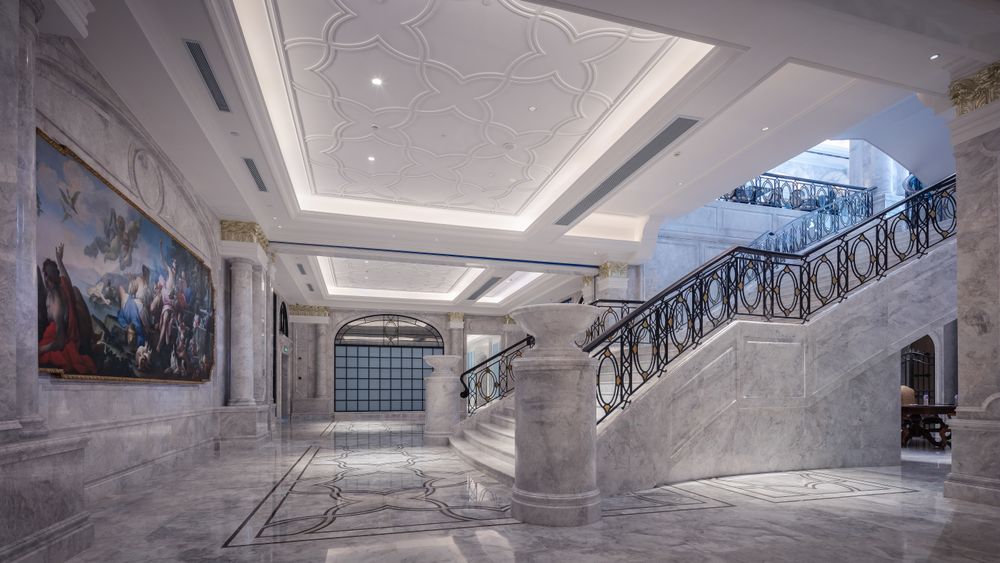
In the premium villa market in Dubai, Abu Dhabi and Sharjah, natural marble in the entrance, living areas and staircase is still treated as a mark of quality by buyers and agents. Porcelain is respected, but it is rarely the line that sells a property.
Which floor for which room
- Entrance, formal majlis, staircase: natural marble — it is seen most and adds the most value.
- Living and dining: marble if the budget allows; full-body large-format porcelain if not.
- Bedrooms: either, or mid-range marble such as Crema Marfil for warmth.
- Kitchen: porcelain for the floor, natural stone for the worktop.
- Bathrooms: honed marble for luxury, matte porcelain for children’s and guest bathrooms.
- Laundry, maid’s room, store: porcelain.
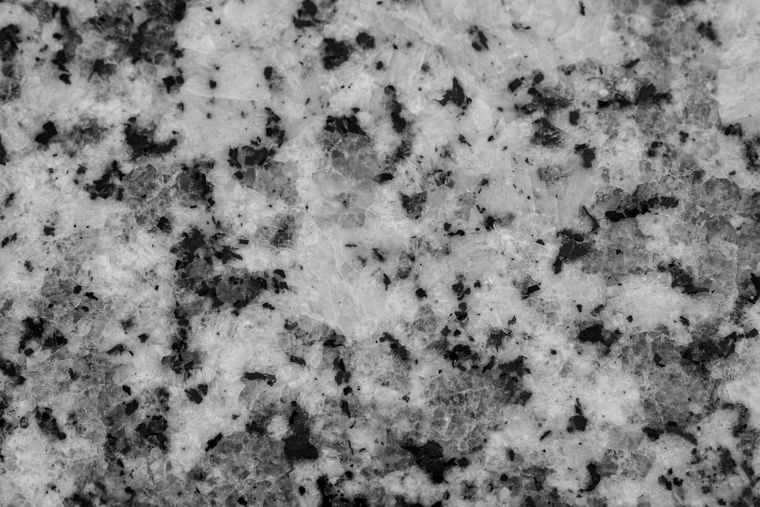
- Terraces and pool decks: exterior-rated porcelain, travertine or flamed granite.
See both side by side
Our Sharjah warehouse stocks natural marble and large-format porcelain, so you can compare them under the same light. Book a viewing and bring your floor plan.
Frequently asked questions
Is porcelain cheaper than marble in the UAE?
Usually, yes. Standard porcelain tiles start around AED 60–200 per square metre and large-format porcelain slabs around AED 250–700, while genuine marble ranges from about AED 120 per square metre for beige tiles to over AED 3,000 for Statuario slabs. Installation costs are similar, but marble adds polishing and sealing.
Which is better for outdoor areas in Dubai, porcelain or marble?
For terraces and sun-exposed areas, a textured outdoor-rated porcelain or a non-polished natural stone such as travertine or flamed granite performs better than polished marble, which becomes slippery when wet and can etch.
Does marble flooring add value to a villa?
In the premium villa segment, genuine marble in entrances, living areas and staircases is still seen as a mark of quality and is often highlighted in listings. Porcelain is respected but rarely treated as a selling point in the same way.
Can I mix porcelain and marble in the same house?
Yes, and it is often the smartest approach: marble in the entrance, formal majlis and staircase where it is seen most, porcelain in kitchens, laundry rooms, maid’s rooms and outdoor areas where practicality matters most.