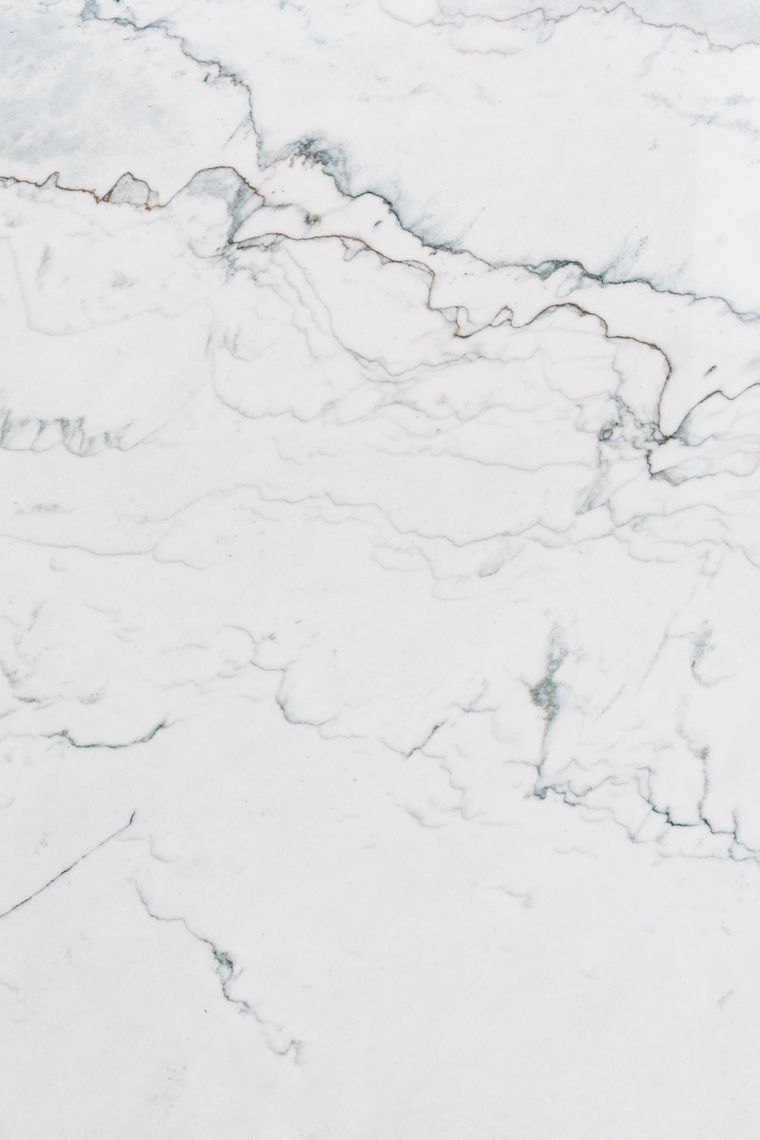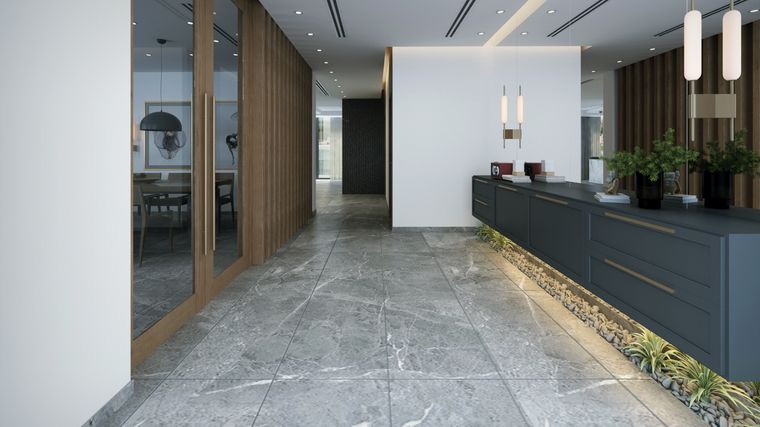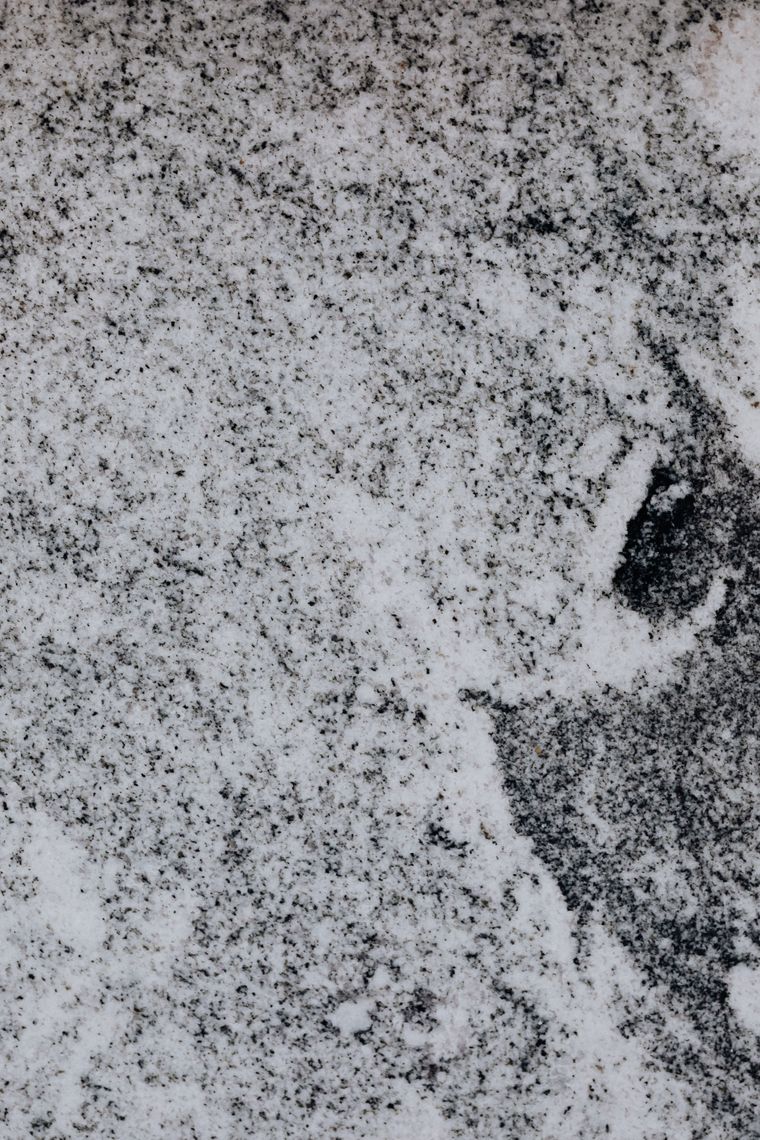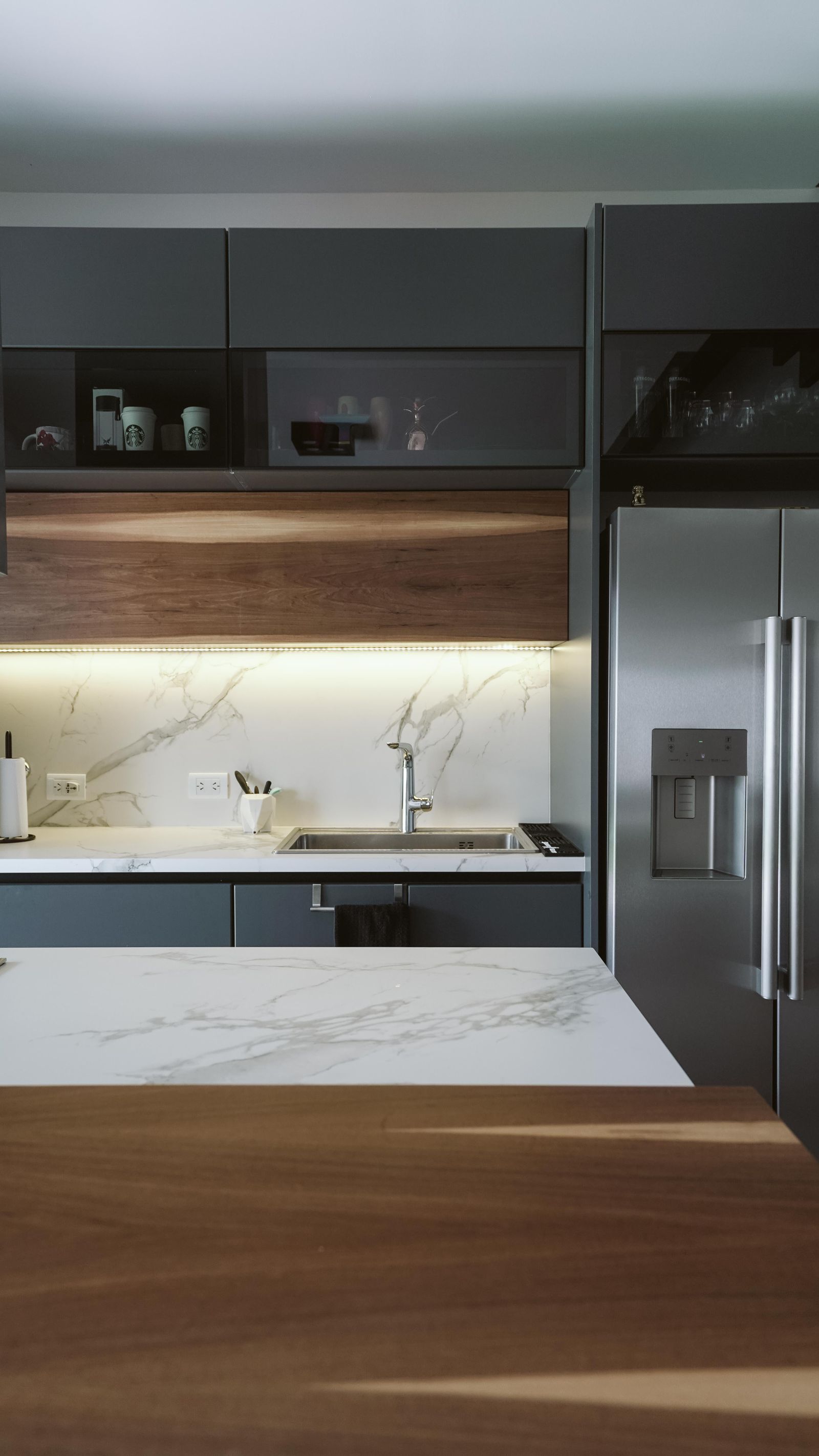
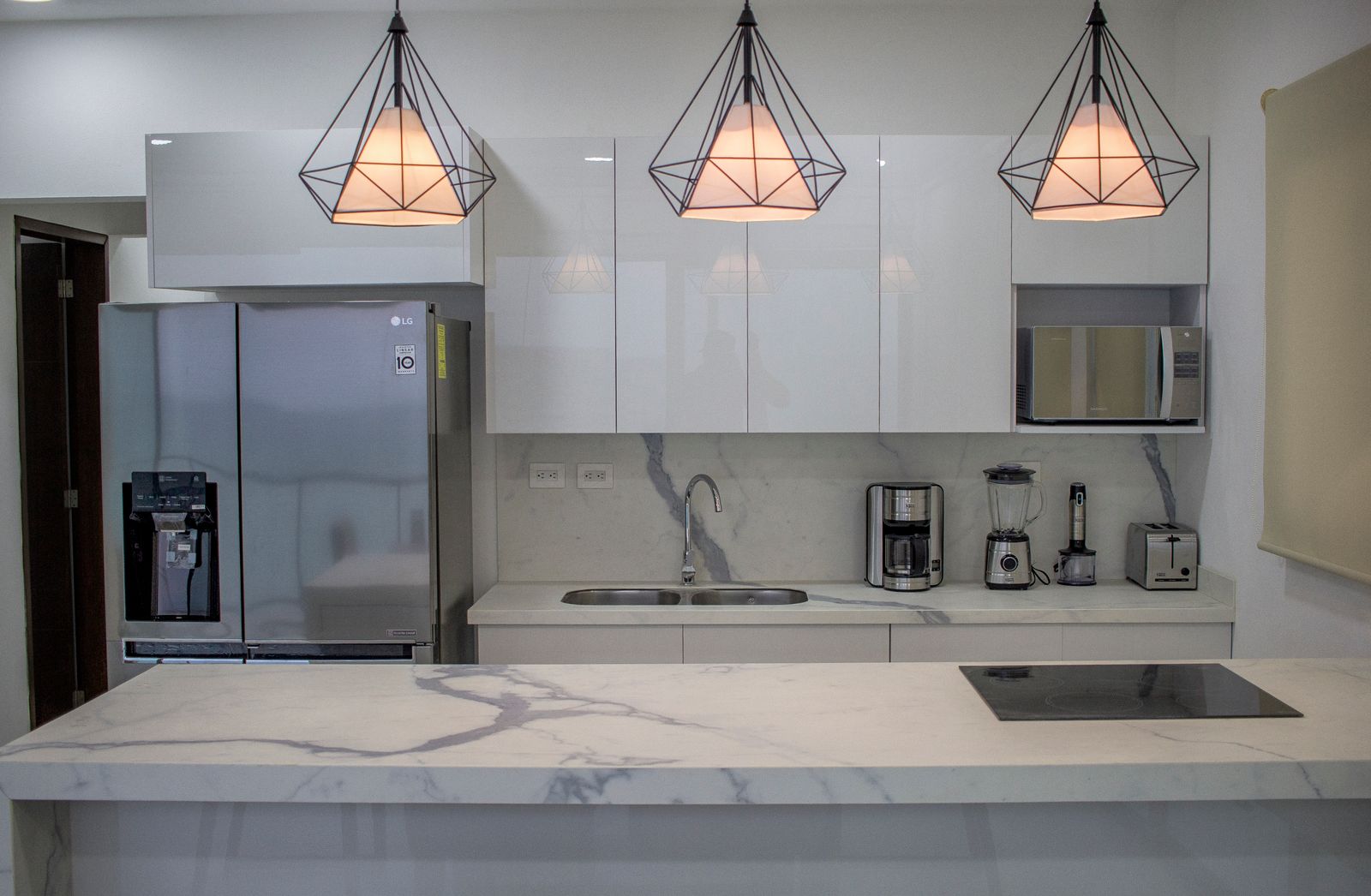
Natural quartzite is frequently confused with engineered quartz and with marble — understandably, since it can resemble both. It is neither. Quartzite is a metamorphic rock formed when sandstone is compressed and heated over geological time, giving it a hardness close to granite with a look that can pass convincingly for marble.
How to tell quartzite apart from marble in a showroom
The reliable test is not visual, it is physical: quartzite will not scratch with a steel blade or a piece of glass, while marble scratches relatively easily because calcite is a much softer mineral. A second reasonably reliable indicator is the acid test — a drop of vinegar or lemon juice fizzes and etches on marble almost immediately, while quartzite shows little to no reaction because it is chemically far more inert. Any reputable supplier will let you test a sample this way before you buy.
Ask for the test, not the assurance
“Quartzite” is sometimes used loosely by less careful suppliers to describe dolomitic marble that merely resembles it. If a supplier hesitates to demonstrate the scratch or acid test on the actual slab you are buying, treat that as a warning sign.
Why quartzite outperforms marble on durability
Quartzite’s mineral structure — predominantly quartz, one of the hardest common minerals — gives it scratch resistance close to granite, far exceeding marble. It is also significantly more resistant to etching from acidic foods and cleaners, the single most common complaint we hear from marble kitchen worktop owners. This makes it a genuinely lower-maintenance choice for a busy family kitchen without giving up the soft, veined aesthetic that draws people to marble in the first place.
It still requires sealing, like any natural stone with some porosity, but the sealing interval can typically stretch longer than an equivalent marble worktop — see our full sealing schedule guide for specific intervals by material.
Cost comparison
| Factor | Quartzite | Marble |
|---|---|---|
| Typical price | Higher than most marble | Wide range, some options cheaper |
| Scratch resistance | High | Low to moderate |
| Etch resistance | High | Low |
| Fabrication | Slower, tougher on tooling | Faster to cut and polish |
| Long-term maintenance cost | Lower | Higher |
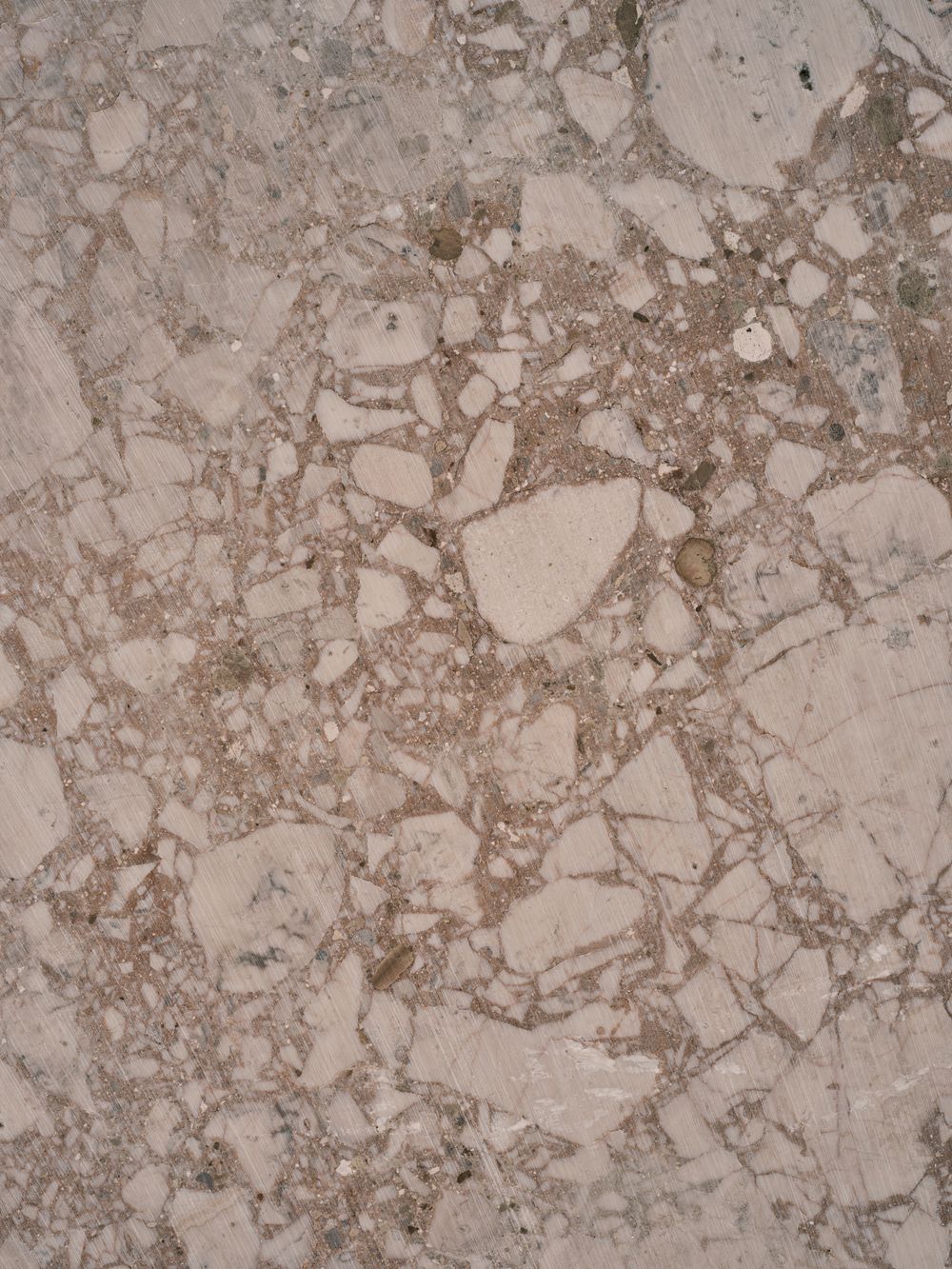
Quartzite typically costs more per square metre than comparable marble upfront, partly because of the raw material and partly because its hardness slows fabrication and wears tooling faster. Over a ten-year ownership period, though, the lower resealing frequency and near-elimination of etch damage often narrows or closes that gap.
Popular quartzite varieties we stock
- Taj Mahal — honey-cream with soft translucency, our most-requested upgrade from standard marble.
- Mont Blanc — cool white with silver movement, the practical answer when a client wants a Calacatta look in a busy kitchen.
- Fusion Wow — dramatic copper, blue and charcoal movement, reserved for single-statement islands or backlit walls.
See the full range on our quartzite materials page.
Where quartzite still falls short
Quartzite’s hardness that makes it durable also makes it harder and slower to fabricate, meaning intricate edge profiles and cut-outs take longer and cost more in labour than the equivalent marble job. Colour and pattern range is also narrower than marble — if you need a very specific dramatic veining pattern, marble still offers more variety to choose from. For most UAE kitchens, though, the durability trade more than earns its keep.